त्वरित लिंक
ADM Energy Faces HMRC Winding-Up Petition: What Compulsory Liquidation Risk Means for Traders
मुख्य निष्कर्ष
- •HMRC winding-up petitions are formal High Court applications — not warnings — and can lead to compulsory liquidation with near-zero equity recovery.
- •Bank account freezes can occur as early as seven business days after petition advertisement, severely limiting ADM's operational flexibility.
- •ADM's response options (pay in full, time-to-pay, CVA, administration) produce binary market outcomes — watch official company announcements and court filings.
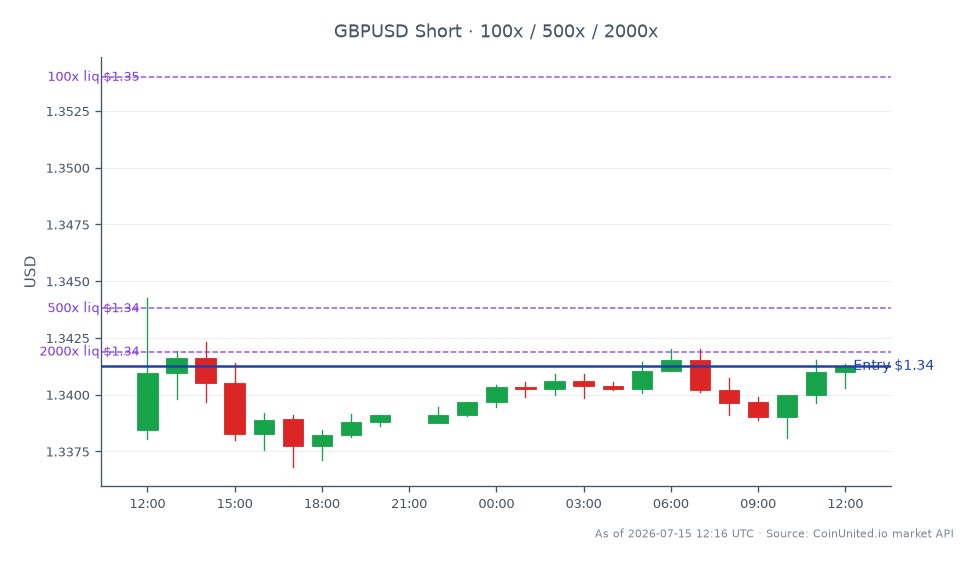
- •Cross-market impact is negligible: FTSE 100, GBP/USD, and global energy commodities are unaffected by this isolated micro-cap event.
- •The event reinforces a broader risk theme: HMRC enforcement is tightening against undercapitalised UK-listed resource companies, warranting wider risk discounts for similar AIM-listed names.
ADM Energy, a UK-listed small-cap oil and gas company, has received a winding-up petition from His Majesty's Revenue and Customs (HMRC), the UK's tax authority. Under UK insolvency law, HMRC holds sta
Event Analysis
ADM Energy, a UK-listed small-cap oil and gas company, has received a winding-up petition from His Majesty's Revenue and Customs (HMRC), the UK's tax authority. Under UK insolvency law, HMRC holds statutory power to petition the High Court (Companies Court) for compulsory liquidation when a company fails to pay tax debts — a threshold as low as £750 — after ignoring statutory demands. The process is formal and court-lodged, making this far more than an administrative warning. HMRC typically issues such petitions only as a last resort, following a statutory demand to which the company has failed to respond within 21 days.
The legal mechanics matter here. Once served and advertised — as early as seven business days after petition service — banks routinely freeze the company's accounts, counterparties pull back, and operational continuity becomes severely compromised. Directors face strict constraints on payments to avoid wrongful trading liability. For ADM Energy, this means cash management, ongoing exploration activities, and any new financing are immediately at risk. The key unknowns are the size of the tax debt relative to ADM's cash and assets, the type of tax owed (unpaid PAYE or NIC would signal payroll-level distress), and how close the company is to the court hearing date.
ADM has several response paths: pay in full, negotiate a time-to-pay arrangement with HMRC, dispute the debt in court, or enter restructuring via a Company Voluntary Arrangement or administration. Each path produces a materially different market outcome. Critically, this event is consistent with a broader pattern of UK tax enforcement tightening against undercapitalised resource micro-caps — a theme worth watching across similar UK-listed small-cap energy names.
While the petition is a credible, formal legal action, the exact court date, case number, and debt quantum would be confirmed via Companies Court records or The Gazette's petition notices.
What This Means for Traders
For traders with exposure to ADM Energy equity, this is an acute solvency event requiring immediate reassessment. The HMRC petition triggers a fundamental repricing: in a liquidation scenario, equity holders sit behind HMRC and all other creditors, making recovery near zero. Expect sharp downside volatility and potential trading suspensions if going-concern doubts intensify. Short positions have a structural bear thesis, but traders should monitor for headline-driven relief rallies if HMRC accepts a time-to-pay arrangement or a deal is announced.
The cross-market read is minimal. As the research confirms, a single micro-cap insolvency event has no material bearing on the FTSE 100 Index or GBP/USD. Broader UK energy indices and large-cap oil majors are unaffected. The only secondary signal worth watching is sentiment re-rating across other AIM-listed micro-cap energy names with weak balance sheets — investors may widen their risk discount for similarly undercapitalised operators. Volatility is likely to remain company-specific and binary around key court dates.
Start Trading on CoinUnited.io
Create Your Free Account → — Trade crypto, stocks, forex, indices, and commodities with up to 2000x leverage and zero fees.
अक्सर पूछे जाने वाले प्रश्न
Yes — the company can pay the debt in full, negotiate a time-to-pay arrangement with HMRC, formally dispute the debt, or enter restructuring such as a CVA or administration. Each outcome carries different implications for equity holders.
जारी रखें अन्वेषण
अस्वीकरण: यह संक्षेप केवल शैक्षिक उद्देश्यों के लिए है और यह निवेश सलाह नहीं है।