Quick Links
Triple Flag Precious Metals Raises Full-Year Guidance After Steppe Gold Dispute Resolution
Key Takeaways
- •Triple Flag's guidance raise is a dual catalyst — dispute resolution plus upward revision — signaling favorable settlement terms rather than a mere status quo restoration.
- •Royalty streamers trade on cash-flow reliability premiums; removing a counterparty dispute is a multiple-expansion event, not just an earnings revision.
- •Elevated gold prices in 2026 amplify the earnings impact of any incremental stream deliveries, making the guidance upgrade worth more than it would be in a lower-price cycle.
- •Steppe Gold (STEP) gets an indirect positive read-through — resumed streaming deliveries imply sufficient operational stability at the ATO mine in Mongolia.
- •Watch Q2 and Q3 production reports to determine whether the guidance uplift reflects sustainable volume or one-time catch-up deliveries from the dispute settlement.
Triple Flag Precious Metals Corp. (TSX/NYSE: TFPM) has raised its full-year production guidance following the resolution of a dispute with Steppe Gold (TSX: STEP), a Mongolia-focused gold and silver m
Event Analysis
Triple Flag Precious Metals Corp. (TSX/NYSE: TFPM) has raised its full-year production guidance following the resolution of a dispute with Steppe Gold (TSX: STEP), a Mongolia-focused gold and silver miner. The settlement removes a meaningful operational uncertainty that had been clouding Triple Flag's near-term production outlook. For a royalty and streaming company like Triple Flag, cash flow predictability is the core valuation driver — disputes with operating partners directly threaten the reliability of that stream, making this resolution more significant than it might appear from the headline alone.
Royalty and streaming companies occupy a unique niche in the precious metals space: they provide upfront capital to miners in exchange for the right to purchase a percentage of future production at fixed or discounted prices. This model insulates them from cost inflation at the mine level, but leaves them exposed to counterparty disputes and operational disruptions at partner assets. The Steppe Gold dispute was precisely this type of risk — a cash-flow interruption at a single asset that had forced Triple Flag to hold back on guidance. Resolving it cleanly enough to prompt an upward revision signals management confidence that normalized delivery is resuming.
What distinguishes this from a routine guidance update is the dual signal: dispute resolution plus guidance upgrade in the same announcement. This combination suggests the settlement terms were favorable to Triple Flag — likely involving catch-up deliveries or revised stream terms — rather than a compromise that merely restored the status quo. For royalty streamers, which trade at premium multiples precisely because of perceived cash-flow stability, re-establishing that narrative is strategically important and typically rewarded by the market.
The broader context matters too. Gold prices remain elevated in 2026, amplifying the value of any incremental ounces flowing through Triple Flag's streams. A guidance raise in a high-gold-price environment means the earnings uplift is materially larger than the same volume increase would have produced in a lower-price cycle. Investors in the royalty sector will note this as a reminder that stream disputes, when resolved, can produce outsized earnings re-ratings.
What This Means for Traders
For traders, this is a stock-specific re-rating catalyst with a clear bullish lean for TFPM. Guidance upgrades at royalty streamers tend to trigger multiple expansion rather than just earnings estimate revisions, because the market re-prices the reliability premium that these stocks command. The key variable to watch is whether management's raised guidance implies catch-up deliveries from Steppe Gold — if so, the benefit may be front-loaded into near-term quarters, fading thereafter. Traders should monitor the Q2 and Q3 production reports for confirmation.
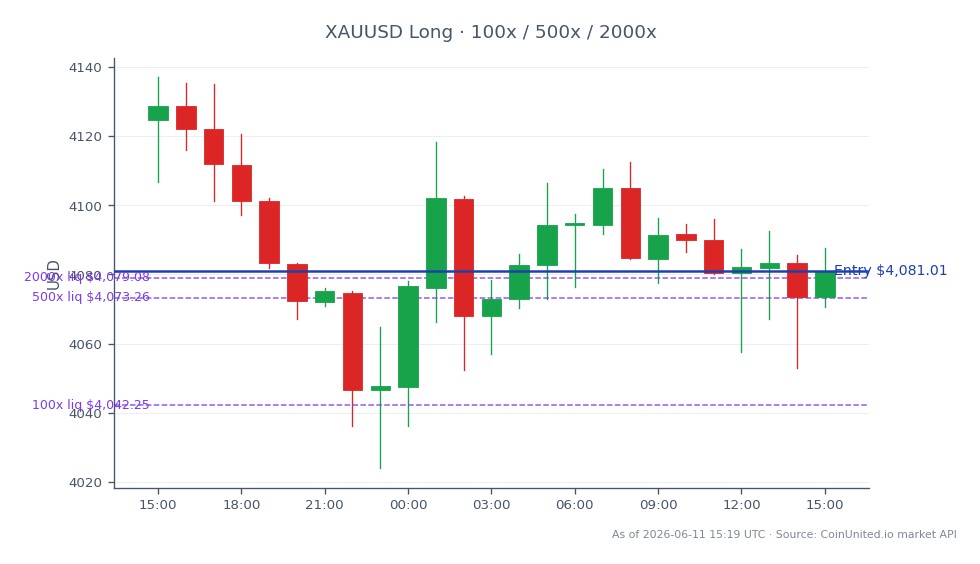
Steppe Gold (STEP) itself warrants attention as a cross-market read. The fact that Triple Flag raised guidance implies Steppe Gold's operations at the ATO mine in Mongolia are sufficiently stable to support resumed streaming deliveries — a modestly positive signal for STEP shareholders who had been navigating the same uncertainty. However, STEP carries far more operational and jurisdictional risk than TFPM, so any recovery trade there requires higher risk tolerance. The gold vs. US dollar dynamic also remains a macro tailwind: elevated XAU/USD prices amplify the per-ounce value Triple Flag captures on its streams, reinforcing the bullish case. Traders looking at how earnings beats translate into actionable setups should note that royalty streamers often see sustained moves rather than single-session pops, given their institutional ownership base.
Start Trading on CoinUnited.io
Create Your Free Account → — Trade crypto, stocks, forex, indices, and commodities with up to 2000x leverage and zero fees.
Frequently Asked Questions
Settlement terms often include catch-up deliveries or revised stream schedules that bring forward previously deferred production, pushing the full-year total above the original baseline. This suggests Triple Flag negotiated terms more favorable than simple reinstatement.
Continue Exploring
Disclaimer: This brief is for educational purposes only and is not investment advice.